

Designing a furniture showroom isn’t just about placing products in a space, it’s about creating an environment that guides customers, inspires their imagination, and ultimately drives sales. A well-planned showroom layout can turn casual visitors into loyal buyers, while a poor layout can make even the best products go unnoticed.
For interior showroom designers, understanding how to blend functionality, aesthetics, and customer psychology is essential. Below, we break down the key principles and strategies to design a furniture showroom that captivates customers from the moment they step inside.
- 1. Understand Your Target Customers
- 2. Create a Clear Store Pathway
- 3. Use Lifestyle Vignettes to Inspire
- 4. Prioritize Lighting for Visual Impact
- 5. Balance Openness and Intimacy
- 6. Incorporate a Focal Point in Every Section
- 7. Highlight High-Margin and Best-Selling Items
- 8. Use Color Psychology to Influence Mood
- 9. Keep the Showroom Fresh and Dynamic
- 10. Add Interactive Elements for Engagement
- 11. Train Staff for Customer-Centric Service
- Conclusion
1. Understand Your Target Customers
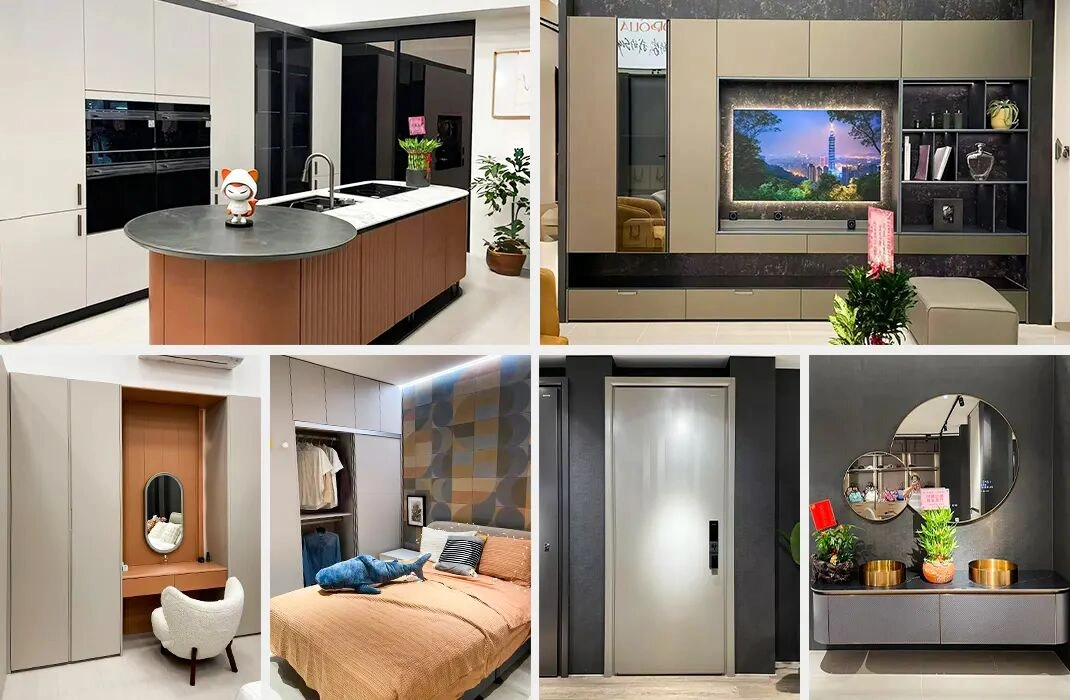
Before starting the design process, take time to understand the needs, tastes, and expectations of your target audience. A furniture showroom catering to luxury buyers will require a different layout from one targeting budget-conscious families.
Actionable steps:
- Conduct customer surveys to identify style preferences.
- Observe foot traffic patterns in existing showrooms.
- Identify the most in-demand furniture categories for your audience.
Understanding your customers ensures that the furniture showroom layout is tailored to their expectations, making the space more inviting and relevant.
2. Create a Clear Store Pathway
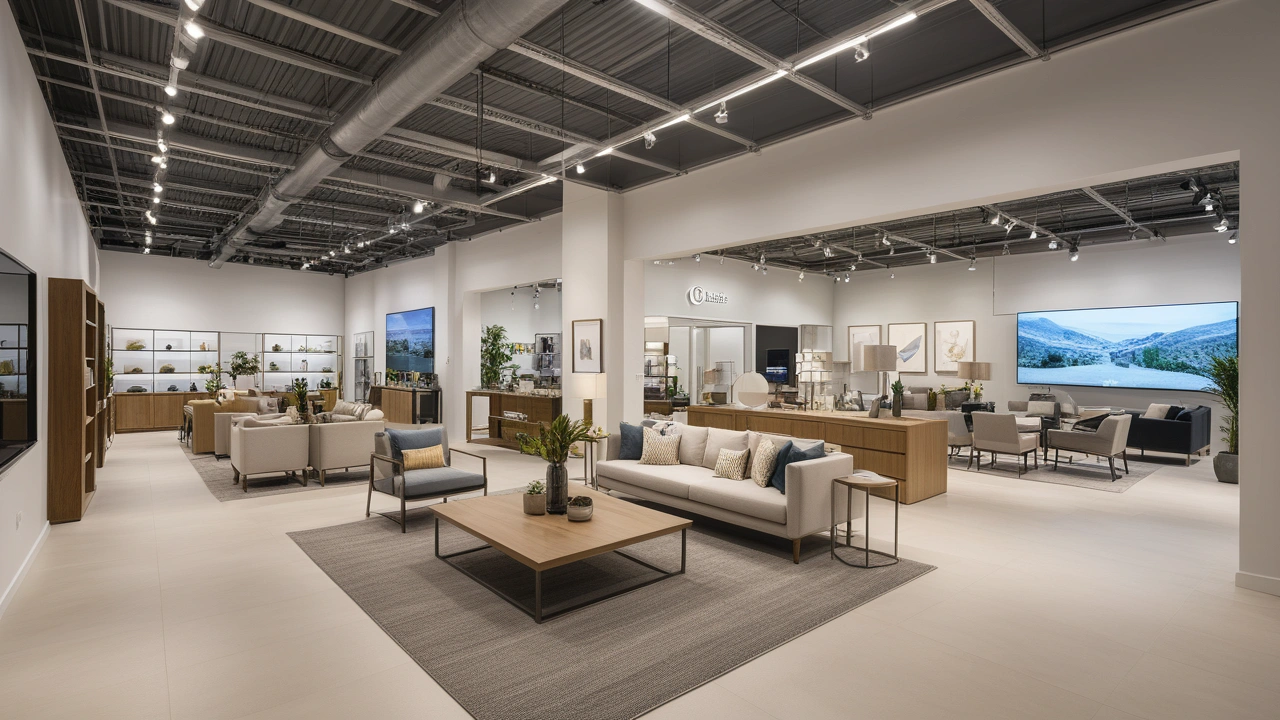
The pathway, or customer flow, is one of the most critical elements of furniture showroom design. A well-planned route guides visitors seamlessly from one section to another while maximizing exposure to your best-selling products.
Best practices:
- Use a “racetrack” layout to encourage visitors to walk through the entire showroom.
- Position popular items midway through the path to keep customers moving forward.
- Avoid dead ends—ensure every section leads naturally into another.
A strategic layout improves navigation and increases the likelihood of multiple product interactions.
3. Use Lifestyle Vignettes to Inspire
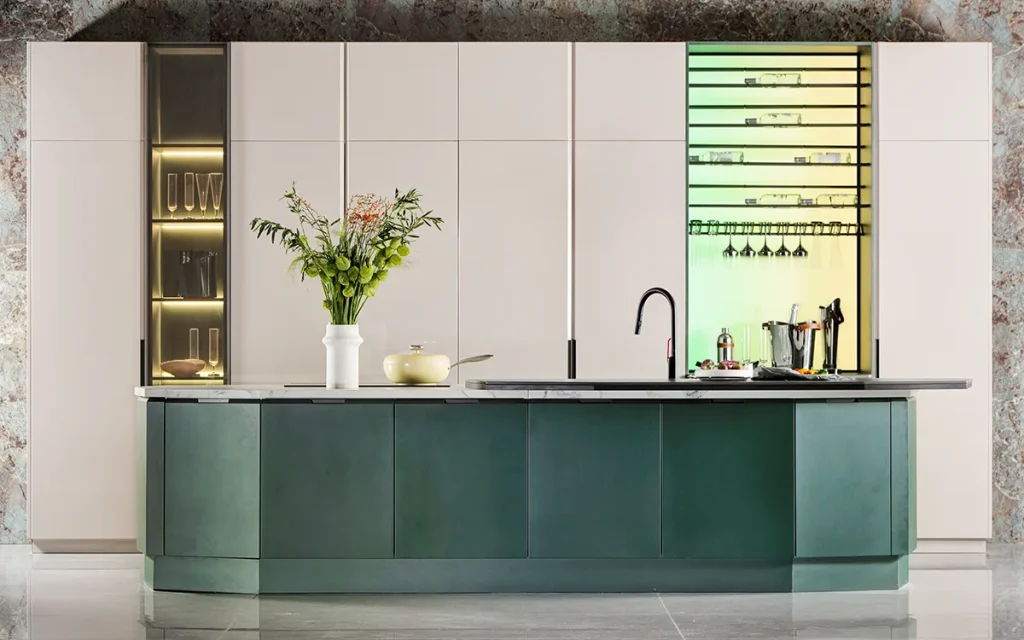
Rather than displaying individual pieces in isolation, consider grouping them into complete room settings, also known as lifestyle vignettes. This technique helps customers visualize how pieces work together in a real home.
Benefits of lifestyle vignettes in a furniture showroom:
- Sparks inspiration and emotional connection.
- Encourages upselling by showing complementary items together.
- Helps customers imagine furniture in their own spaces.
Arrange vignettes in various styles, such as modern, classic and minimalist, to appeal to a range of tastes.
4. Prioritize Lighting for Visual Impact
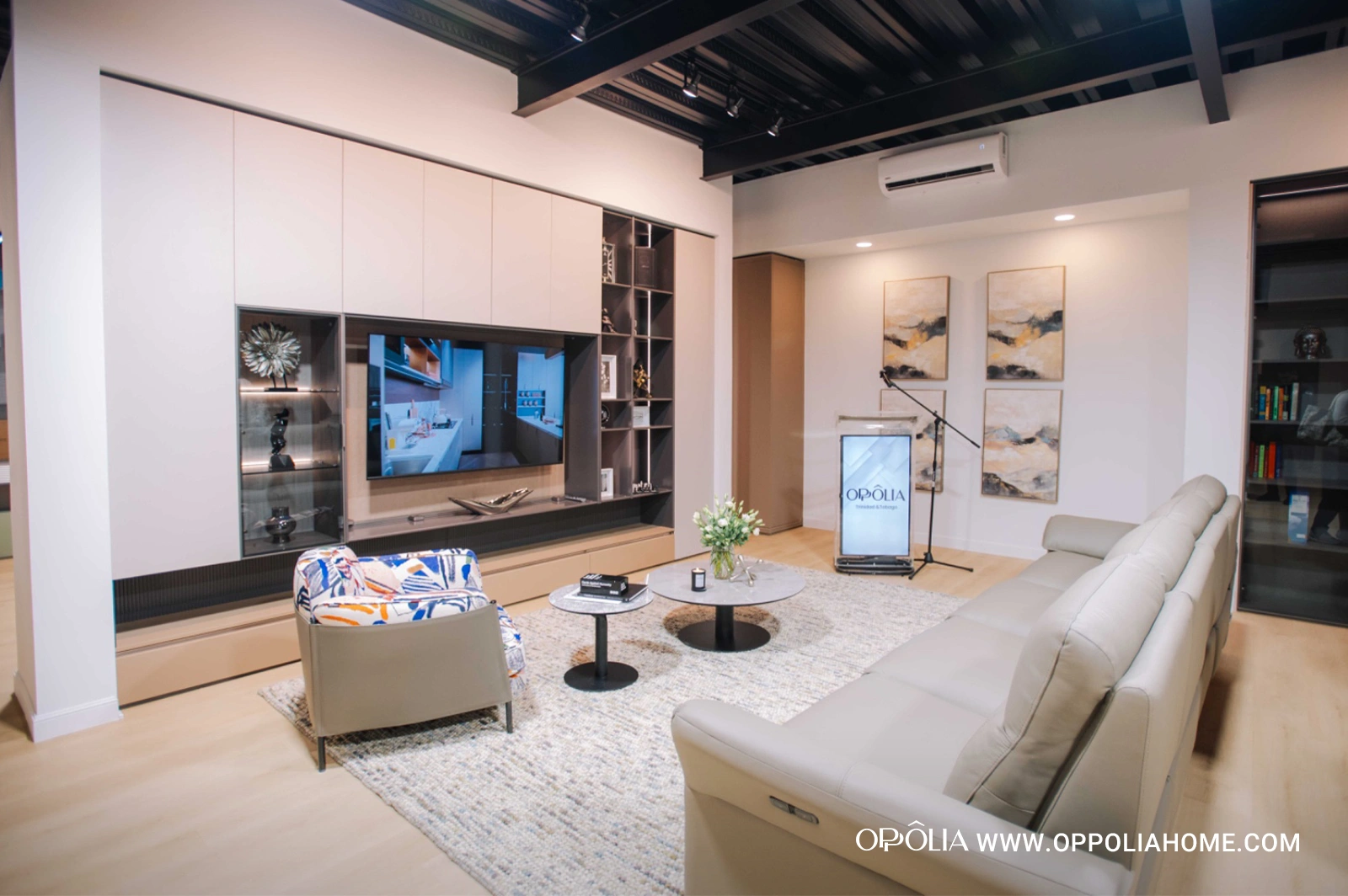
Lighting can dramatically enhance the atmosphere of a furniture showroom and highlight the details of each piece. Even high-quality items can look dull if the lighting is poor.
Lighting strategies:
- A cosy feel is best created by using warm, ambient lighting for displays in the living room.
- Install focused spotlights on statement furniture to draw attention.
- Incorporate natural light wherever possible to make colors appear true.
Good lighting not only improves aesthetics but also subtly directs customer attention to high-value products.
5. Balance Openness and Intimacy

A furniture showroom should strike the right balance between open spaces for easy movement and intimate zones for close inspection. Overcrowding can overwhelm customers, while excessive space can make the showroom feel understocked.
Tips for balance:
- Leave at least 3 feet of walking space between furniture groupings.
- Use partitions, rugs, or plants to create cozy display areas.
- Maintain clear sightlines so customers can see across sections.
The goal is to create a comfortable, flowing space where customers feel relaxed while browsing.
6. Incorporate a Focal Point in Every Section

A well-designed furniture showroom layout uses focal points to guide the eye and encourage movement. A focal point could be a statement sofa, an elegant dining table, or even an art piece.
How to use focal points:
- Place focal items at the end of walkways to draw customers deeper into the showroom.
- Rotate focal displays seasonally to keep the space fresh.
- Use color contrast or unique shapes to make focal items stand out.
By directing customer attention, focal points help control the pace of their journey through the store.
7. Highlight High-Margin and Best-Selling Items
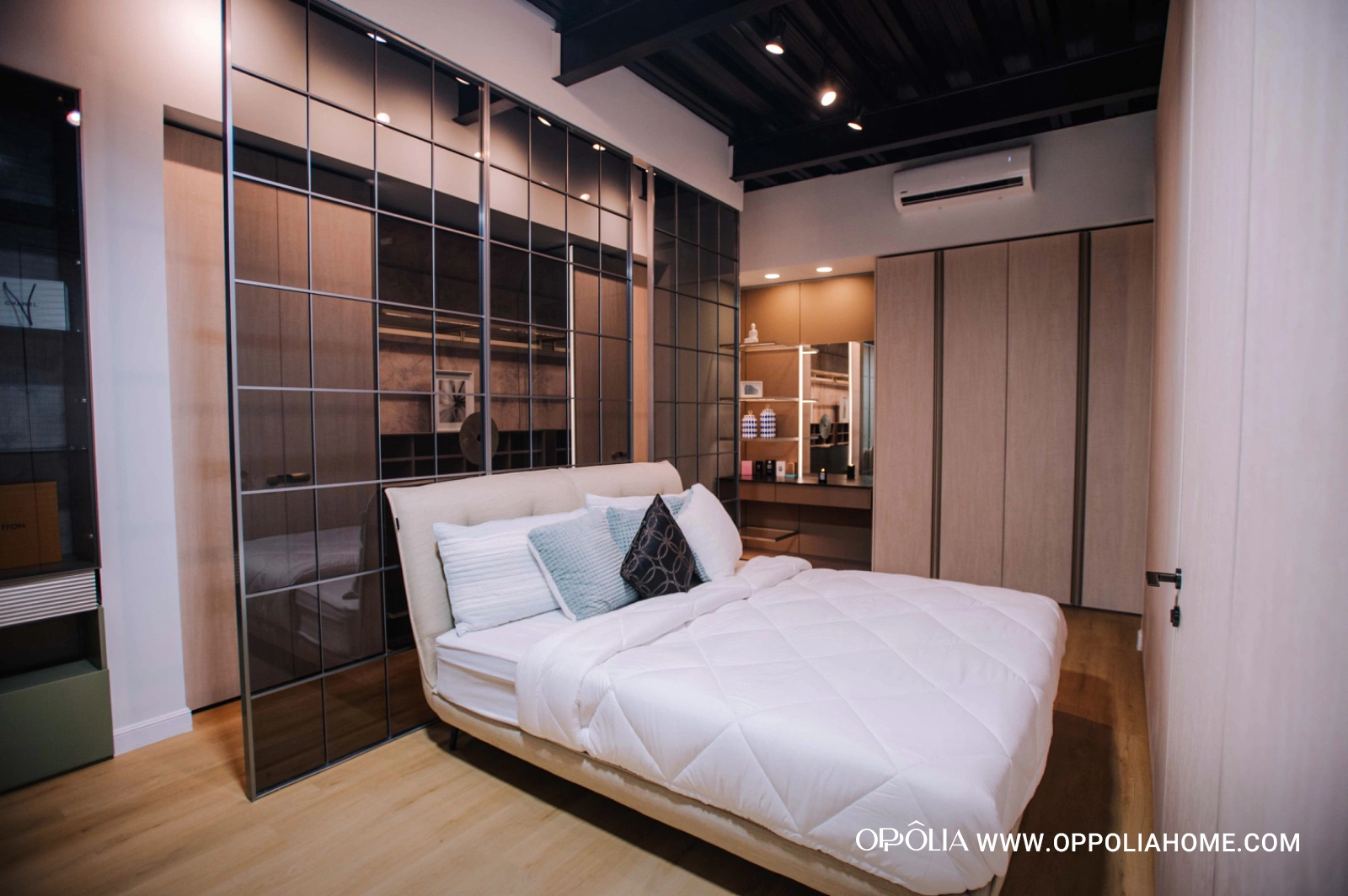
Product placement is a key factor in increasing sales at furniture showrooms. Your most profitable and popular pieces should be positioned where they get maximum visibility.
Placement ideas:
- Display best-sellers near the entrance to immediately engage customers.
- Place high-margin items alongside lower-priced pieces to encourage upselling.
- Use end caps and corner spots for promotional items.
Strategic positioning ensures your most valuable inventory gets the attention it deserves.
8. Use Color Psychology to Influence Mood
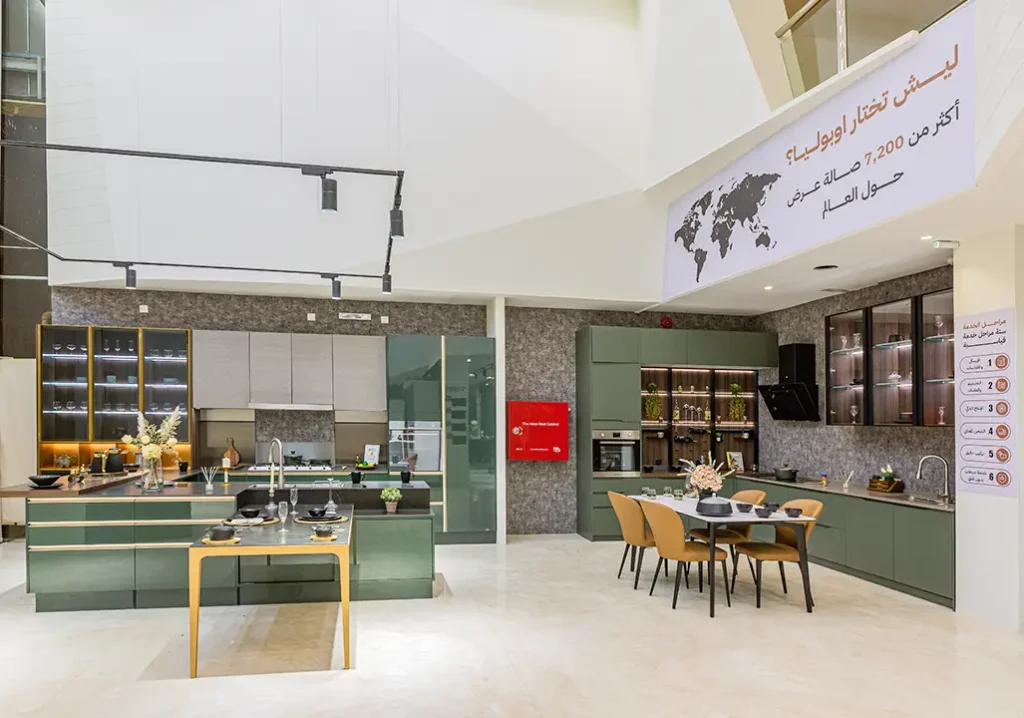
Color can influence customer emotions and perceptions in a furniture showroom. The right palette can enhance the shopping experience and make the furniture more appealing.
Examples of color use:
- Soft neutrals create a calming, luxurious feel.
- Warm earthy tones make spaces feel inviting.
- Bold accent walls can energize and attract attention.
Consider your target market when selecting colors—what feels premium to one audience may feel too formal to another.
9. Keep the Showroom Fresh and Dynamic

Even the most well-designed furniture showroom layout can lose its impact if it remains unchanged for too long. Regular updates keep the environment engaging.
Ideas to refresh your showroom:
- Rearrange displays every season.
- Introduce trending styles and colors.
- Create themed sections for holidays or local events.
A dynamic layout encourages repeat visits and maintains customer interest.
10. Add Interactive Elements for Engagement
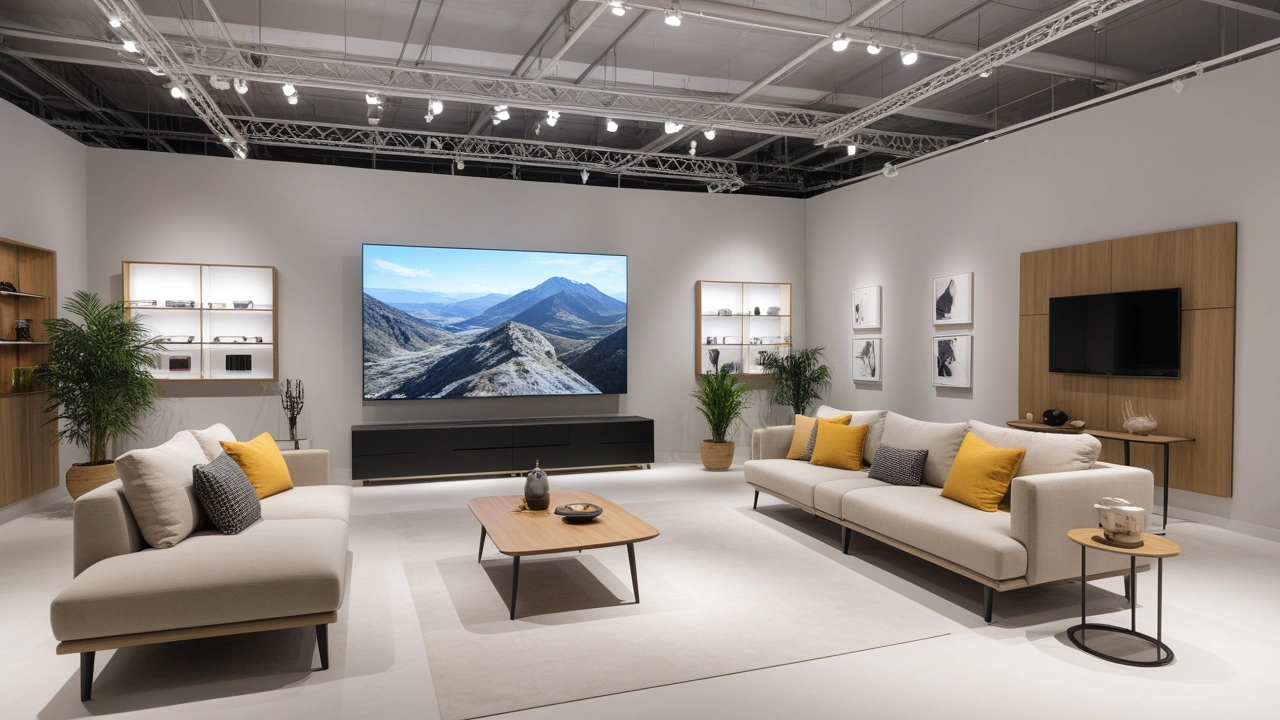
Incorporating interactive features can make a furniture showroom more memorable and encourage longer visits.
Examples:
- Digital kiosks where customers can customize furniture fabrics and finishes.
- VR or AR tools to visualize furniture in their homes.
- Design consultation corners where customers can seek expert advice.
Interactivity not only improves customer experience but also builds trust and loyalty.
11. Train Staff for Customer-Centric Service

Even the best-designed showroom needs knowledgeable, approachable staff.
Train your team to:
- Greet customers warmly without hovering.
- Offer assistance with layout or design ideas.
Staff should complement the layout — guiding customers without disrupting their natural browsing flow.
Conclusion
Designing a furniture showroom layout that attracts customers requires a blend of creativity, strategic planning, and a deep understanding of consumer behavior. By focusing on clear navigation, inspiring displays, effective lighting, and regular updates, you can create a space that not only draws people in but also converts visits into sales.
If you are still looking for the right brand to franchise, now is the perfect time!
OPPOLIA not only provides dealers with free showroom design, but also offers exclusive sample discount prices. With a low franchise fee, you can partner with one of China’s top 10 companies. Learn more about our dealer policy today. Join the OPPOLIA network, start your successful business journey!